
Resources
The loss of a loved one is one of the most difficult situations to face in life. This can be especially trying if you are in charge of making the funeral arrangements. Our family here at FuneralHomes.com would like to share with your family some points from experienced funeral directors that will help you in such a troubling time.
35 Condolence Messages for Loss of a Pet
Losing a pet is losing a family member. For many people, a dog or cat was there every single day: at the door when they got home, at their feet during hard weeks, part of every routine. When that animal dies, the house goes quiet in a way that’s hard to explain to anyone who hasn’t been through it. Friends often don’t know what to say, and some worry a message about a pet will sound too small. It won’t. Reaching out tells the person their grief is real.
Below are 15 core messages, followed by more for specific situations. Swap in the pet’s name wherever you can.
15 Pet Condolence Message Examples
- I’m so sorry about [Pet’s name]. They were so loved.
- [Pet’s name] was lucky to have you, and you were lucky to have them.
- Thinking of you. I know how quiet the house must feel right now.
- Losing a pet is losing family. I’m here if you want to talk about them.
- [Pet’s name] had the best life with you. That’s something to hold on to.
- I’ll always remember how excited [Pet’s name] got when I came over.
- Sending love to you and your family. [Pet’s name] will be missed.
- There’s no such thing as “just a pet.” I’m so sorry for your loss.
- Take all the time you need. Grieving a pet takes as long as it takes.
- [Pet’s name] knew exactly how much you loved them.
- You gave [Pet’s name] a safe, happy home. That was a gift to both of you.
- I’m sorry you had to say goodbye. Thinking of you today.
- The unconditional love of a pet is rare. I’m so sorry you lost it.
- If you ever want to share stories about [Pet’s name], I’d love to hear them.
- Wishing you comfort as you adjust to life without your best friend.
Short Messages for the Loss of a Pet
Sometimes the right message is two lines long. If you’re texting, writing on a small card, or reaching out to a coworker, a short message is easier to send and easier to read. Use the pet’s name if you know it.
15 Condolence Messages for Loss of Mother
The death of one’s mother is one of the most heart-rending events to encounter in life. Regardless of the closeness of one’s relationship with their mother and the ages of the deceased and the relative, such an occurrence can leave the bereaved in agony and despair. Blood relationships are always special, but the relationship with a mother is even more profound. It is not only defined by love, care, and concern but also unconditional sacrifice in bringing one into this world and then fostering their growth. Sending condolences on such an occasion is a sensitive task as one needs to tread the thin line between not further hurting their feelings but also presenting sorrow for the great loss that has occurred.
If your relationship with the person whose mother has passed away is such that you feel you should attend the burial or memorial services, then consider attending. However, sending a heartfelt sympathy message, or saying condolences over a phone call can still be a good idea as it helps you express your love and empathy to the bereaved and that you are thinking of them in a difficult time like this.
Even if your relationship with the deceased’s relative is of a professional capacity, it is still a good idea to make sure that your behavior isn’t too formal and instead help in creating a supportive environment for them with the right, heartfelt messages.

Questions to ask your parents before it’s too late
We all have a limited time with our parents, which is why it’s essential to make the most out of it. It can be challenging to narrow down what questions we should ask, and sometimes we don’t realize the important ones until it’s too late. This is why we created a list of questions everyone should consider asking their parents soon!
Choosing a Career Path: Why Did You Make Your Decision?
Understanding your parents’ career choices is invaluable. This question can provide insight into their thought processes and motivations. By learning about their successes and failures, you can gain a perspective that might influence your own career decisions. It’s a powerful way to connect and learn from their experiences.
What Was the Most Difficult Thing You Had to Endure?
This question can prepare you for your own challenges. Parents possess a wealth of knowledge gained from many experiences, some of which were undoubtedly unpleasant. Discussing these challenges and how they were overcome can be enlightening and prepare you for similar situations.
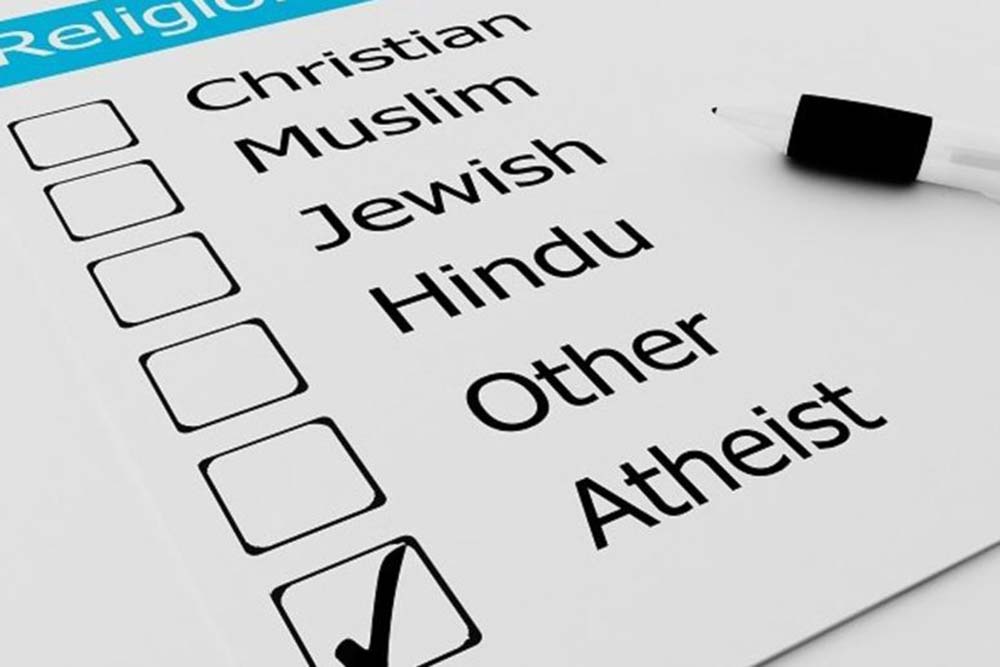
A Guide to an Atheist Funeral
Planning a funeral can be a deeply emotional and challenging task, particularly when it involves accommodating specific beliefs and preferences. For individuals who identify as atheists, traditional religious ceremonies may not resonate with their worldview. This guide aims to provide a thorough understanding of what an atheist funeral entails, including practical steps for planning one and various elements that can be incorporated to honor the individual’s beliefs and legacy.
Understanding Atheist Funerals
What is an Atheist Funeral?
An atheist funeral is a ceremony that reflects the secular beliefs of the deceased. Unlike traditional funerals, which often incorporate religious rituals such as prayers and hymns, an atheist funeral centers on celebrating the life, achievements, and values of the person who has passed away. The focus is on remembrance, personal reflection, and the impact the deceased had on those around them.
Key Differences Between Atheist Funerals and Religious Funerals
The primary distinction between atheist funerals and religious funerals lies in the absence of religious rites. Here are some key differences:
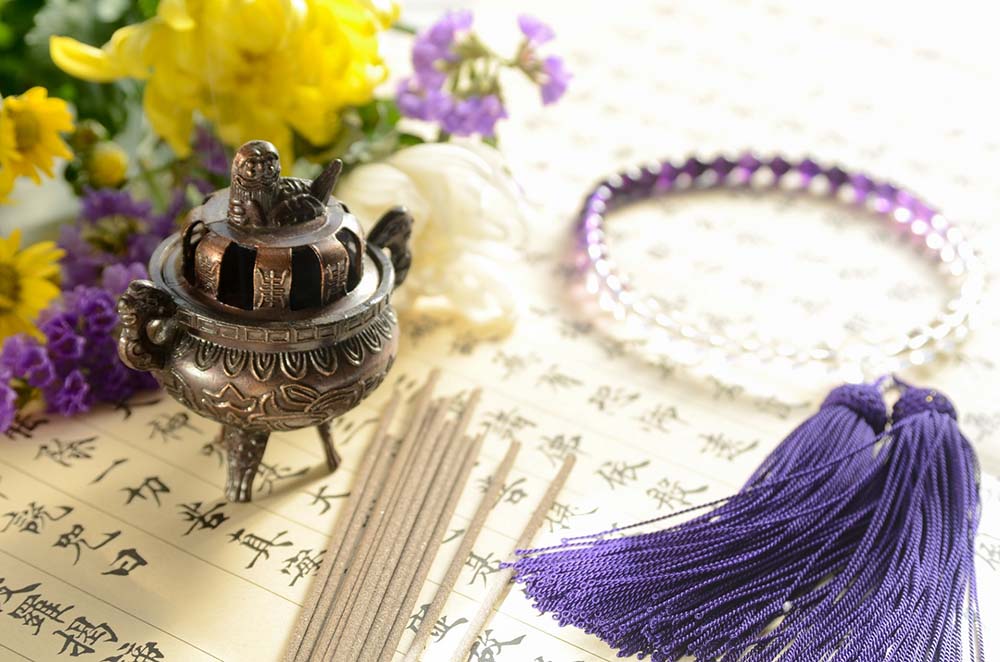
A Guide to Buddhist Funeral Customs and Traditions
Buddhist funeral customs are deeply rooted in tradition and rich in symbolism, reflecting the profound spiritual beliefs inherent to Buddhism. While these practices can vary significantly across cultures and regions, they consistently share common elements aimed at honoring the deceased and facilitating their journey toward rebirth. This guide delves into the essential aspects of Buddhist funeral practices, offering a comprehensive understanding of their significance, procedures, and regional variations.
The Significance of Buddhist Funerals
Buddhist funerals serve a dual purpose: to honor the deceased and to provide spiritual support for their transition to the next life. In Buddhism, life and death are perceived as interconnected stages in a continuous cycle known as Samsara, which encompasses the process of birth, death, and rebirth. Funerals are not merely ceremonies; they are vital rituals that assist the deceased in navigating this cycle, aiming to ensure a favorable rebirth.
The Role of Karma and Rebirth
Central to Buddhist belief is the concept of karma, which posits that one’s actions in this life directly influence their future existences. As such, funerals present an invaluable opportunity to generate positive karma, both for the deceased and for their loved ones. The collective prayers and actions during these ceremonies are believed to affect the deceased’s journey in the afterlife, emphasizing the interconnectedness of all beings.
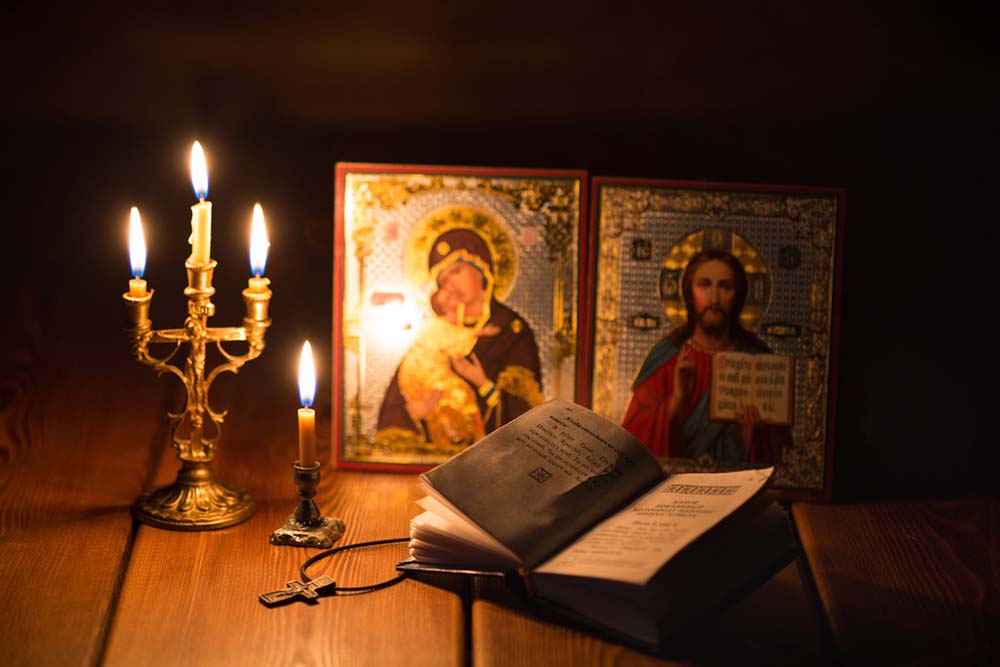
A Guide to Orthodox Christian Funeral Customs and Traditions
Orthodox Christian funeral customs and traditions are steeped in centuries of spiritual practice, deeply reflecting the faith’s core beliefs about life, death, and the afterlife. These customs serve not only to honor the deceased but also to provide comfort, solace, and hope to grieving families, reinforcing the close-knit bond within the community and its collective spiritual connection. The rituals and services conducted in an Orthodox funeral are not just expressions of mourning but are also acts of faith that highlight the Orthodox Church’s view of death as a passage rather than an end.
The Role of Faith in Orthodox Funerals
In Orthodox Christianity, death is regarded not as a final cessation but as a transition into eternal life. This belief in the afterlife profoundly shapes Orthodox funeral customs and traditions. The services and rituals performed are designed not only to honor the life of the deceased but also to pray for the salvation of their soul and offer spiritual support to the grieving family. The central themes of Orthodox funerals include the resurrection of Jesus Christ and the firm hope that the deceased will be granted eternal life. The entire process, from the wake to the memorial services, is imbued with prayers and rites that reflect the belief in the eventual reunion with the deceased in the afterlife, following the resurrection of all believers.
Key Elements of an Orthodox Christian Funeral
Orthodox Christian funerals are comprised of several key rituals, each of which serves a unique purpose in both commemorating the deceased and providing spiritual aid to the family. Here are the primary components:
Jehovah’s Witnesses’ Funeral Customs and Traditions
Jehovah’s Witnesses have unique customs and beliefs regarding funerals, which are deeply rooted in their religious values and traditions. For anyone involved in planning or attending a funeral within this faith, it’s essential to understand these practices in order to show respect and provide meaningful support. This guide offers a detailed overview of Jehovah’s Witnesses funeral customs, including their core beliefs, the significance of the memorial service, and important considerations for attendees and family members.
Understanding Jehovah’s Witnesses Beliefs about Death and Funerals
Jehovah’s Witnesses are distinct in their approach to death and funerals due to their belief system, which is centered on the hope of resurrection and eternal life. These religious convictions not only influence how they view death but also shape the customs and rituals they observe when a member of their faith passes away.
The Central Belief: Resurrection and Eternal Life
At the heart of Jehovah’s Witnesses’ faith is the belief in the resurrection. According to their teachings, those who have died will eventually be resurrected to live again on a paradise Earth under God’s Kingdom. This expectation fundamentally changes how they view funerals—death is not seen as a permanent end but rather a temporary state that precedes the hope of a future resurrection. Because of this, their funerals are generally solemn yet hopeful, reflecting their anticipation of eternal life.
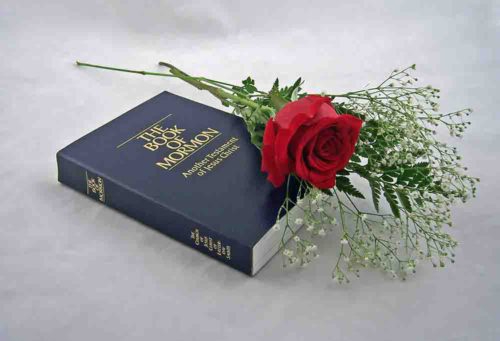
A Guide to Mormon Funeral Traditions
Introduction to Mormon Funeral Traditions
Mormon funeral traditions are deeply rooted in the beliefs and practices of The Church of Jesus Christ of Latter-day Saints (LDS Church). These customs offer a distinctive perspective on life, death, and the afterlife, emphasizing spiritual continuity and the eternal nature of the soul. The LDS Church’s views on death influence every aspect of their funeral services, from the planning process to the final rites. This guide provides a comprehensive understanding of these customs, explaining each step, the religious context behind them, and how they help families and friends find solace during a time of mourning.
Key Beliefs Influencing Mormon Funerals
1. Eternal Life and Resurrection
At the core of Mormon theology is the belief in eternal life and the resurrection of the body. For Mormons, death marks a transition rather than an end, a passage from mortal life to an eternal existence. They believe that after death, all people will be resurrected, their spirits reunited with perfected bodies. This belief strongly impacts their approach to funerals, making these ceremonies less about finality and more about reflecting on the continuity of the soul and the eternal promise of the afterlife.
During funeral services, this doctrine is emphasized through hymns, scriptures, and eulogies, offering comfort to the bereaved with the promise that they will see their loved ones again in a glorified state.

What to Expect from a New Orleans Funeral Service
New Orleans is vibrant. New Orleaners love celebrations and parades. And a New Orleans funeral service also exudes a celebratory funeral rather than a somber one. Jazz funerals in New Orleans celebrate the beauty of the afterlife. The funeral begins at a church or funeral home and proceeds to a cemetery. Mourners are accompanied by a band that plays music that starts off with a melancholy feel that turns into an uplifting tone, radiating hope and conviviality.
With the same vibrant and enthusiastic nature of New Orleans funerals in mind, here is what you can expect while attending a New Orleans funeral.
History of New Orleans Jazz Funerals
Jazz funerals of New Orleans are rich in cultural traditions. In West African culture, mourners express their sorrow loudly and vocally. By the end of the service, they laugh and celebrate, rejoicing in the spirit’s ascent into heaven. This aspect of West African culture found its home in New Orleans’s Jazz funerals with the music exemplifying a soulful blend of African and European influences. While this method of memorializing loved ones is still well-known in New Orleans, it is mostly restricted to honoring the passing of prominent community members.

A Guide to Hindu Funeral Customs and Traditions
Hindu funerals are deeply rooted in ancient traditions and spiritual beliefs, reflecting the rich cultural and religious heritage of the Hindu community. For those attending or organizing a Hindu funeral, understanding these rituals is crucial to ensure proper respect for the deceased and adherence to cultural customs. This comprehensive guide explores the practices, ceremonies, and customs associated with Hindu funerals, providing a deeper understanding of the rites that honor the deceased and aid in their journey to the afterlife.
Overview of Hindu Funeral Traditions
Hindu funeral ceremonies are designed to honor the deceased while facilitating their soul’s transition to the afterlife. Central to Hinduism is the belief in samsara, the cycle of birth, death, and rebirth, which emphasizes the eternal nature of the soul. The funeral process is seen as an essential rite of passage, not only for the individual who has passed away but also for their family, as it embodies deep spiritual, cultural, and familial values.
At its core, the Hindu funeral ritual (often referred to as Antyesti or “last rites”) serves multiple purposes: