
Resources
News & Advice

A Guide to Common Phrases and Euphemisms
Obituaries are more than announcements of a life lost; they’re reflections of love, respect, and tradition. Reading and understanding them requires an awareness of the unique language often used. Have you ever wondered about phrases like “passed away” or “resting in peace”? This guide deciphers the language of obituaries to help you grasp their meanings.
What Are Common Euphemisms in Obituaries?
Obituaries frequently use gentle language to convey the news of someone’s death. Here are some of the most common phrases and what they mean:
- “Passed away” — A soft and respectful way to say someone has died.
- “Resting in peace” — Indicates the person has found eternal rest and tranquility.
- “Went to be with the Lord” — Often used in religious contexts to express the belief that the deceased is now in Heaven.
- “Lost their battle” — Commonly refers to someone who died after a long illness, such as cancer.
- “Called home” — Suggests a divine calling back to God or Heaven.
- “Entered eternal life” — A faith-based way of expressing the belief in an afterlife.
These expressions soften the emotional impact of the news and honor the deceased’s memory.

The Anatomy of an Obituary
An obituary is more than a notice of someone’s passing; it is a tribute to a life lived and a means to inform the community of their death. Whether you are crafting one for a loved one or researching historical records, understanding the typical structure of an obituary can help you appreciate its purpose and significance. This article breaks down the key components of an obituary, the information they convey, and how they serve both the deceased and those left behind.
What is an Obituary, and Why is It Important?
An obituary serves as a written announcement of a person’s death, often published in newspapers or online platforms. It provides essential details about the deceased’s life, accomplishments, and surviving family while also sharing information about funeral services or memorials. The obituary not only honors the deceased but also serves as a public record for future generations.
How to Structure an Obituary
Obituaries typically follow a consistent format, ensuring they convey key details concisely and respectfully. Let’s examine the essential sections of an obituary and their purposes.
Obituaries as Genealogical Goldmines: Unlocking Family History
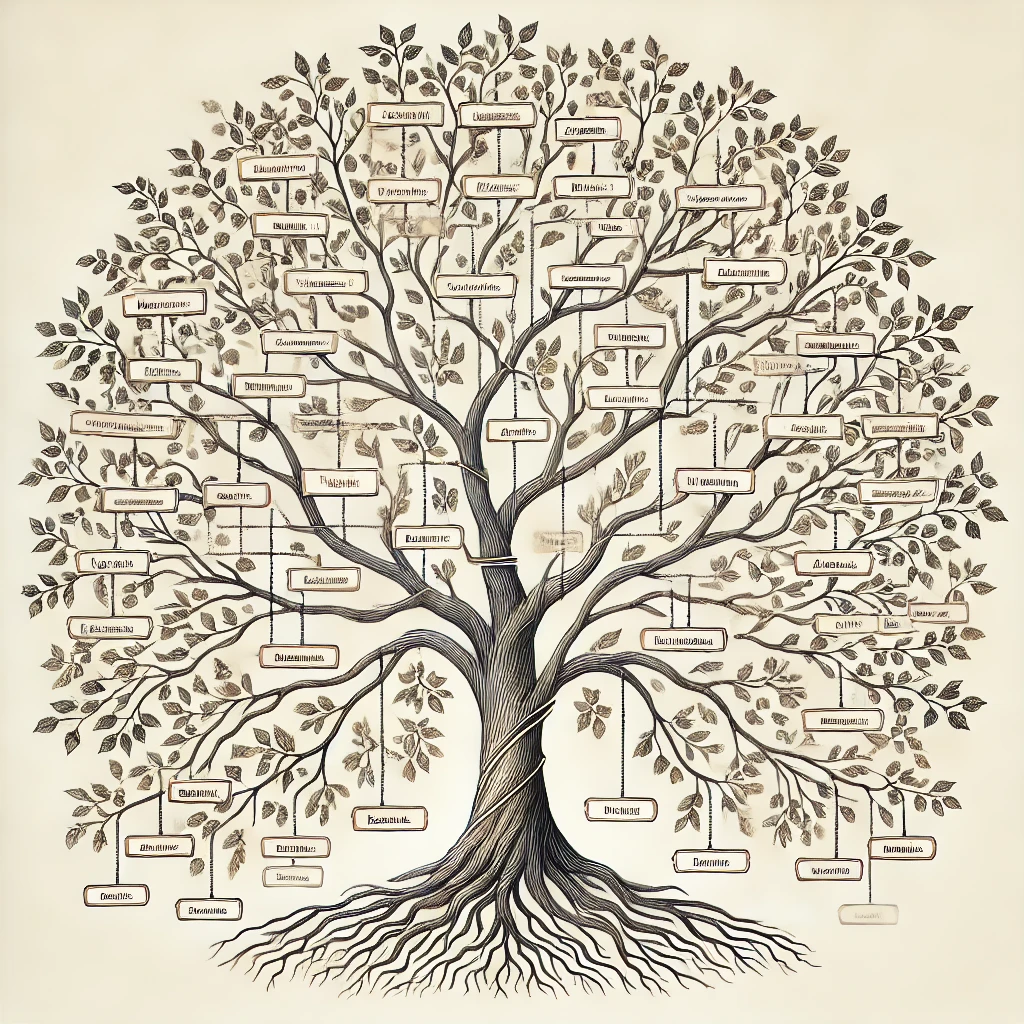
Obituaries are often overlooked resources for genealogists. These short biographical sketches can provide a wealth of information, offering insights into family history, relationships, and significant life events. If you’ve ever wondered how to trace your family tree or “find an obituary for a specific person,” this guide will help you extract invaluable clues.
Why Are Obituaries Important for Genealogy?
Obituaries serve as snapshots of a person’s life, providing a unique blend of personal and historical data. But what makes them particularly valuable for genealogists?
- Detailed Personal Information: Obituaries often include maiden names, nicknames, and previous residences.
- Family Relationships: They commonly list surviving and predeceased relatives, offering direct links to your extended family.
- Cultural and Historical Context: Details like birthplace, occupation, and military service can place an ancestor within a specific cultural or historical framework.
How to Extract Family History Clues from Obituaries
What Details Should You Look For?
- Names and Relationships
- Look for the full name of the deceased, including nicknames and maiden names.
- Scan for names of relatives, including spouses, children, siblings, and parents.
- Dates and Locations
- Pay attention to birth and death dates.
- Note places of significance, such as birthplaces, residences, and burial sites.
- Occupation and Accomplishments
- Details about employment, hobbies, and affiliations can enrich your understanding of your ancestor’s life.
- Community Connections
- Involvement in local organizations, religious affiliations, or schools can provide leads for further research.
How to Analyze Obituary Clues
- Identify Patterns and Trends
- Recurring names or places may indicate family migration patterns.
- Occupation trends can reveal family traditions.
- Cross-Reference with Other Records
- Compare obituary details with census data, birth certificates, or marriage licenses to confirm accuracy.
- Collaborate with Family Members
- Share your findings with relatives who may recall additional details.
How to Find an Obituary for a Specific Person
Finding the right obituary can feel daunting, but these tips will streamline your search:

Fact vs. Fiction: The Reliability of Obituaries
Obituaries serve as a timeless tribute to lives lived, but how reliable are they as a source of information? Whether you’re trying to “find an obituary for a specific person” or researching family history, understanding the potential inaccuracies in obituaries is crucial. Let’s explore the nuances of obituary reliability, how to verify the information they provide, and what to watch for when interpreting them.
Are Obituaries Always Accurate?
Obituaries are often written under emotional and time-sensitive circumstances, which can lead to errors or omissions. Here are some common inaccuracies to be aware of:
1. Misspelled Names and Dates
Families or editors may inadvertently include typos or incorrect dates, leading to confusion for readers trying to verify details.

How To Find An Obituary For A Specific Person?
“It doesn’t matter if you’re searching for a loved one’s death or someone you knew back in college. With modern society’s rapid digitization, there’s a decent chance you’ll get all the data you need only with a few clicks.”
Search the World’s Largest Network of Obituaries Here
Some of us, particularly newspaper readers, have seen a death notice of someone with brief information provided below the title that shows a death announcement; this is known as an obituary.
Finding an ancestor’s obituary is not challenging in this modern world, thanks to technology that enables users to access an ancient record with a single click. An obituary is published in newspapers—online and in print—to openly announce the death of a loved one. Some websites also retain a record of obituaries.

Difference between Burial, Funeral, and Cremation
The loss of a loved one is one of life’s most challenging experiences. During such a sensitive time, families are often faced with numerous decisions regarding how to honor the deceased. Among these decisions are the choices of burial, funeral, and cremation. Understanding the distinctions between these options can help families make informed decisions that align with their values, beliefs, and wishes of the deceased. This article delves into the differences between burial, funeral, and cremation, providing clarity and guidance during a difficult time.
Understanding the Basics
What is Burial?
Burial is the process of placing a deceased person’s body into the ground, typically within a coffin or casket. This method has been practiced for thousands of years and is rooted in various cultural and religious traditions. A burial site is often marked with a tombstone or grave marker, which may include the person’s name, dates of birth and death, and sometimes a personal message or symbol.
What is a Funeral?
A funeral is a ceremony held to honor and remember the deceased. It often includes a service where family and friends gather to pay their respects, share memories, and celebrate the life of the person who has passed away. Funerals can be held in various locations, including churches, funeral homes, or even outdoors.

How to Report a Death to Social Security
Reporting a death to the Social Security Administration (SSA) is an essential task that needs to be handled with care and promptness. This process not only helps manage the deceased’s Social Security benefits but also assists in preventing identity theft and other complications that may arise after a person has passed away. In this comprehensive guide, we will walk you through the necessary steps, requirements, and helpful resources related to reporting a death to Social Security. We will also provide an FAQ section to address common questions and concerns.
Understanding the Importance of Reporting a Death to Social Security
When an individual passes away, their Social Security benefits cease immediately. Reporting the death ensures that any ongoing benefits stop, preventing overpayments and potential complications for surviving family members. Furthermore, it allows for the establishment of survivor benefits for eligible family members, including spouses and children.
Failing to report a death can lead to several issues, including:

How to Donate Your Body to Science
Donating your body to science is a noble decision that can contribute significantly to medical research and education. It allows researchers and students to learn more about the human body, advance medical knowledge, and ultimately save lives. In this comprehensive guide, we will walk you through the process of body donation, the various programs available, legal considerations, and answer some frequently asked questions. If you’re considering this option or just curious about the process, read on to find out everything you need to know.
Understanding Body Donation
Body donation, also known as anatomical donation, refers to the process where individuals choose to donate their bodies after death for medical research and education. Donated bodies are used in a variety of ways, including:
- Medical Education: Medical students require hands-on experience to learn anatomy, surgical techniques, and patient care. Donated bodies serve as vital teaching tools.
- Research: Scientists utilize human bodies to study diseases, test new surgical techniques, and develop medical devices. This research can lead to breakthroughs in treatment and healthcare.
- Public Health: Body donation can also contribute to public health initiatives by helping researchers understand the effects of diseases and health conditions in diverse populations.
The Process of Donating Your Body
1. Research Donation Programs
Before making a decision, research various body donation programs. Different universities, hospitals, and research institutions have specific criteria and procedures for accepting body donations. Here are some reputable organizations:

What is Final Expense Life Insurance?
Final expense life insurance, also known as burial insurance or funeral insurance, is a specialized form of life insurance designed to cover the costs associated with an individual’s funeral and other related expenses after they pass away. This type of insurance has gained significant popularity in recent years, particularly among seniors who wish to alleviate the financial burden on their families during a time of emotional distress. This article will explore the key aspects of final expense life insurance, including its benefits, how it works, and common misconceptions.
Understanding Final Expense Life Insurance
What Does Final Expense Life Insurance Cover?
Final expense life insurance primarily covers the costs associated with funerals, which can be quite substantial. According to the National Funeral Directors Association, the average cost of a funeral in the United States can range from $7,000 to $12,000 or more, depending on various factors such as location, type of service, and additional requests. Final expense insurance aims to ensure that your loved ones do not face financial stress during this difficult time.
In addition to funeral costs, final expense life insurance may cover:

Top 10 Reasons to Publish an Obituary
Publishing an obituary is an important way to honor and remember the life of a loved one. It serves as a public announcement of their passing, allowing friends, family, and the community to come together in remembrance. However, the benefits of publishing an obituary extend beyond mere notification. Here are the top ten reasons to consider when deciding whether to publish an obituary.
1. Honoring the Deceased
One of the primary reasons to publish an obituary is to honor the life of the deceased. An obituary provides an opportunity to celebrate their achievements, character, and impact on others. By detailing their life story, you create a lasting tribute that captures their essence and allows their legacy to continue.
2. Informing the Community
When someone passes away, their community often needs to know about the loss. Publishing an obituary ensures that friends, acquaintances, and community members are informed. This can be especially important in smaller towns where news travels through word of mouth. By providing clear and concise information, you ensure that everyone has the opportunity to pay their respects.