
Resources
News & Advice

What to Bring to a Funeral or Memorial Service
Attending a funeral or memorial service is an emotionally charged experience for everyone involved, regardless of your relationship to the deceased. Whether you are a close family member, a friend, or a neighbor, you will likely be affected by the occasion.
Deciding what to bring to a memorial service express your sympathy and condolences during this challenging time can be difficult. Ultimately, your presence and support are the most meaningful contributions you can make. However, small gifts such as flowers, a sympathy card, a donation, or photographs can also express your sentiments thoughtfully.
We’ve created this guide to help ease this process and offer ideas for showing your sympathy and compassion to grieving loved ones.
Do You Have to Wear Black to a Funeral?
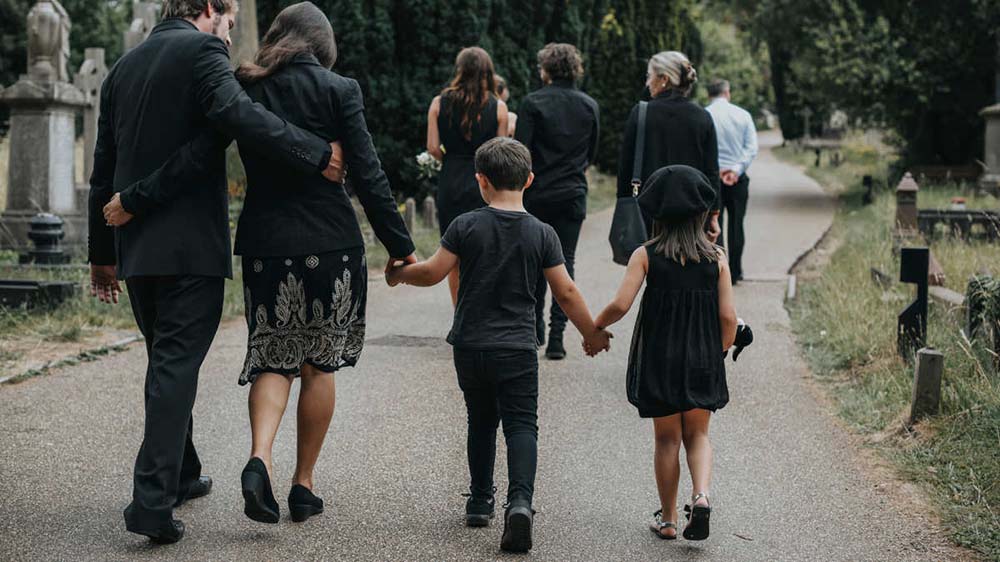
Wearing black to a funeral is a deeply rooted tradition in many cultures and religions, often signifying respect and mourning. This custom dates back to Roman times and has been the standard funeral attire for centuries, especially in Western countries like the United States. However, while black remains a common and respectful choice, it’s not mandatory.
What Are the Funeral Attire Traditions?
Funerals typically convey a somber and respectful atmosphere. Unless otherwise instructed, it is advisable to choose modest and conservative clothing in neutral or dark colors. Flashy or bright colors that may draw attention are generally avoided. Additionally, casual attire such as jeans and flip-flops is inappropriate; closed-toe shoes and formal attire are preferred. Though black is the traditional choice, there are other acceptable options based on the specific preferences of the funeral you are attending.
Do You Have to Wear Black to a Funeral?
Is Black Clothing Always Required for Funerals?
Black remains the most traditional color for funeral attire, but it’s not a strict requirement. Many funerals welcome other dark or muted colors. For instance, attire similar to what you might wear to a conservative job interview or a formal church service is often suitable.

10 Ways to Honor the Loss of a Loved one
Losing someone close to you is never easy, but finding ways to honor their memory can be both comforting and meaningful. Each person who has touched our lives deserves to be remembered in a special way. Here are ten thoughtful methods to commemorate a loved one and keep their memory alive.
How Can You Create an Obituary on FuneralHomes.com?
Creating an obituary on FuneralHomes.com allows you to highlight the positive impact your loved one had on your life. This platform provides a space for family and friends to leave comments and share memories, creating a lasting tribute that can be public or private. To learn more about crafting a meaningful obituary, visit our guide on How to Find an Obituary for a Specific Person.
What About Creating Jewelry with Their Hair, Ashes, or Handwriting?
Transforming a loved one’s hair, ashes, or handwriting into jewelry is a unique and personal way to keep their memory close. This creative method allows you to carry a part of them with you, offering a tangible connection to their presence.

Should I give a sympathy gift?
When someone suffers a loss, giving a sympathy gift can be a meaningful way to show your support. This gesture lets the bereaved know they are not alone and that there are people around them willing to help through their difficult time. Although these situations can be challenging, understanding the appropriate etiquette and knowing how to approach them is crucial.
Is a Sympathy Gift Appropriate?
Sympathy gifts are generally well-received during challenging times, as they can offer comfort and show that you care. However, it’s essential to be mindful of cultural and religious differences. For example, in Judaism, sending flowers is often discouraged. Always do some research about the traditions of the grieving family to ensure your gesture is appropriate.
Timing of Sympathy Gifts
When should you send a sympathy gift? Timing can be crucial. Ideally, you should send your gift as soon as you hear about the loss. This prompt action shows respect and provides immediate support to the grieving individual. If you were particularly close to the deceased, consider a personalized gift, such as a memorial bench or tree, at a later time.

Questions to ask your parents before it’s too late
We all have a limited time with our parents, which is why it’s essential to make the most out of it. It can be challenging to narrow down what questions we should ask, and sometimes we don’t realize the important ones until it’s too late. This is why we created a list of questions everyone should consider asking their parents soon!
Choosing a Career Path: Why Did You Make Your Decision?
Understanding your parents’ career choices is invaluable. This question can provide insight into their thought processes and motivations. By learning about their successes and failures, you can gain a perspective that might influence your own career decisions. It’s a powerful way to connect and learn from their experiences.
What Was the Most Difficult Thing You Had to Endure?
This question can prepare you for your own challenges. Parents possess a wealth of knowledge gained from many experiences, some of which were undoubtedly unpleasant. Discussing these challenges and how they were overcome can be enlightening and prepare you for similar situations.

What to Expect When Attending a Muslim Funeral
Are you planning to attend a Muslim funeral and want to ensure you understand the traditions and etiquette involved? Whether you’re concerned about what to wear or how to pay your respects, this guide will provide you with essential insights into Muslim funeral customs.
What is a Muslim Funeral
A Muslim funeral is a religious ceremony for a deceased person of the Muslim faith, characterized by solemn proceedings and strict customs. During the service, attendees may read from the Holy Quran, send blessings to the Prophet Muhammad (Peace be upon him), and pray for the deceased’s forgiveness. Non-Muslims are welcome to participate in these activities as well.
What Are Muslims’ Beliefs About Death?
Muslims hold strong beliefs in the afterlife, similar to other Abrahamic religions. They believe that actions in this life determine one’s fate in the afterlife. Good deeds lead to entry into Heaven, while evil deeds result in eternal punishment in Hell, as decided on the Day of Judgement. After death, the soul is believed to be freed to return to the skies, while the body remains in the grave until the Day of Judgement.

What to Expect When Attending a Catholic funeral
Do you have a Catholic funeral to attend? Are you wondering about the traditions that are observed or the etiquette that must be followed at a Catholic funeral service? We put together this guide to help you be prepared and know what to expect at a Catholic funeral service to best pay your respects.
Understanding a Catholic Funeral
A Catholic funeral is a religious ceremony held for a deceased person of the Catholic faith. Catholics, unlike all Christians, believe in three destinations for the soul: Hell, Heaven, and Purgatory. While it is believed that souls will end up in Heaven or Hell, depending on how righteous a life they lived, Purgatory is for souls who have committed forgivable sins and may eventually end up in Heaven.
A Catholic funeral is a time to appeal to God to be merciful to the deceased’s soul in order to encourage such forgiveness. You can expect a lot of prayers to be said at the Catholic funeral you attend.
What to Expect When Attending a Jewish Funeral
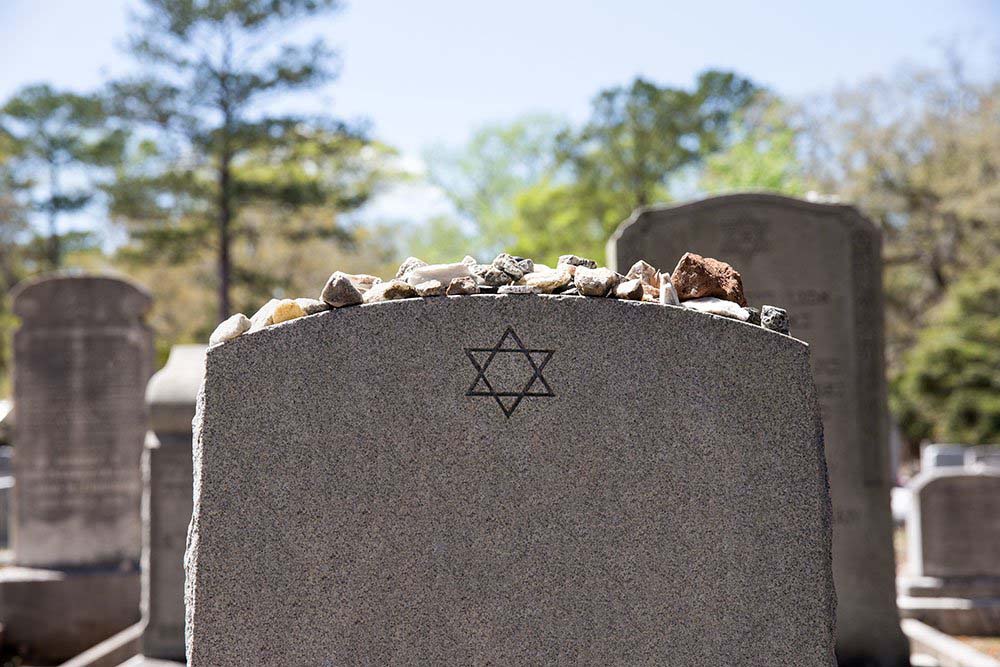
Attending a funeral is often an emotionally charged and intimidating experience. The challenge can be even greater when you’re unsure about the customs and etiquette expected at the service, especially if the deceased comes from a cultural or religious background different from your own. Jewish funerals, in particular, have unique customs that may be unfamiliar to those not part of the faith. Here, we explore what to expect at a Jewish funeral to help you prepare and pay your respects appropriately.
Jewish Funeral Attire
Jewish funeral attire is generally modest and conservative. Men are typically expected to wear suits, dress shirts, and a head covering called a kippah or yarmulke. Women should opt for formal attire, such as a dress or a long-sleeved shirt with a long skirt. Casual clothing like jeans or flip-flops is usually discouraged. Muted colors such as gray, black, or brown are preferred, and attendees should avoid flashy or vibrant colors to maintain the somber nature of the event.
You may also notice immediate family members wearing a “kriah” or black ribbon, which symbolizes their grief. This is part of a private ceremony before the funeral and is not something guests are expected to participate in.

How to Explain the Loss of a Loved One to a Child
The loss of a loved one is one of life’s most emotionally challenging experiences. Adults often have some experience with life’s ups and downs, but children may not yet understand death or grief. When tasked with explaining such news to a child, the challenge can feel overwhelming.
As parents, grandparents, or guardians, it is sometimes necessary to communicate difficult news to children. Here are some helpful tips and recommendations to establish a healthy foundation for a child’s understanding of death, aiding both the child and the adult in coping through the grief process.
How Can You Explain Death to a Child?
Here are a few recommendations and guidelines for explaining the concept of death and the loss of a loved one to a child.

5 Crucial Things to Consider Telling Your Parents Before They Pass
Saying goodbye to our parents is one of the most emotionally challenging experiences we can face. Whether you have cherished memories of growing up or complex family dynamics, the time will eventually come to bid farewell to those who gave us life. While each person’s journey is unique, approaching this moment with love, compassion, and sincerity can offer a sense of closure and peace. Here are five crucial conversations to consider having with your parents before they pass.
Expressing Gratitude
Many of us assume our parents know how grateful we are, but expressing your gratitude explicitly can be a powerful gesture. A heartfelt thank you can remind your parents of everything they’ve done for you, appreciating their love and sacrifices. Even if your relationship has been strained, finding something to be thankful for can bring comfort to both you and them. Gratitude can be as simple as acknowledging the gift of life they have given you. This expression of thanks can offer a clean slate as they approach the end of life, creating a moment of deep connection and solace.
How Can Forgiveness Bring Peace?
If you’re holding onto grudges or emotional wounds, this can make the process of saying goodbye even more painful. Our parents, like us, are only human and have made mistakes. Consider letting go of resentment and granting forgiveness for any wrongdoings. Forgiveness doesn’t erase the past, but it can bring emotional peace and allow you to enjoy the remaining time together fully. This act can pave the way for healing and closure during such a significant transition.