
Resources
Celebrations of Life
15 Condolence Messages for Loss of Father
Expressing one’s condolences doesn’t have to be hard. A thoughtful message or heartfelt words can be of vast comfort and support for those who mourn the loss of a loved one. However, even if there is no need to complicate oneself, we can’t deny that what we say to someone who has lost a dear one is indeed a very sensitive and delicate manner. This post, in particular, is centered around what to say in relation to the loss of a father. The loss of a parent is one of the most difficult and wounding deaths anyone can experience. Losing a father can, without a doubt, leave someone completely devastated and in a very fragile state of mind and spirit. Fathers are often little girls’ first loves and act as guardians and protectors. For reasons like this and many more, it can be rather difficult to put together the right words that can truly express our sorrow and distress about the loss of a father.
Fortunately, we can count on the fact that well-intentioned and heartfelt messages will never fail to bring comfort and are unlikely to ever hurt those we love. With this in mind, here are 15 condolences messages written from a perspective of love and devotion for those we cherish, and a willingness to help others offer some degree of comfort and support for their grieving loved ones. Even if it is with something as little as warming their heart or getting a slight smile with a tender condolence message.
Below are 15 condolences messages to consider saying when it comes to the death of a father:
15 Condolence Messages for Loss of Dog
Losing a beloved pet is never an easy process or something any of us can prepare for. Finding the right words to comfort and support a loved one who is going through this type of transition is often a delicate and highly sensitive manner. Beyond all of our intentions and willingness to help them feel better, there are many times in which our message can cause further discomfort or be misinterpreted. When confronted with the news that a family member or friend’s pet has passed away, we need to be able to put ourselves in their shoes and not prompt them to rush their grieving process.
The truth is, pets often become part of the family, and their loss can be just as painful as losing a human loved one. With this in mind, below you can find 15 condolence message examples to let a loved one know whose dog has recently passed that you’re thinking of them and are sending your love and empathy to them during this time.
15 Condolence Message Examples
- I am very sorry for your loss. [Pet’s name] was very loved.
- [Pet’s name] we’ll be greatly missed
- Wishing you all of the support and comfort during this transition.
- I understand your pain and want you to know I’m here for you and wish to help with anything you might need.
- Losing a member of the family is never easy. I’m thinking of you and sending my thoughts and prayers.
- I know it’ll take time for the pain to ease. Please know that I’m here whenever you need someone to talk to.
- We’ll never forget about [Pet’s name. [He/she was a loyal companion and cheerful soul.
- [Pet’s name] might no longer be here with us, but at least we have the memories to hold on to.
- Such a beloved and loyal companion like [Pet’s name] will always be remembered and stay alive in our thoughts and hearts.
- My most sincere condolences as you go through this period and transition. [Pet’s name] was a loved member of the family and his/her departure has without a doubt left a dent in everyone’s hearts.
- I know it’s not easy losing a beloved pet. Please know you’re not alone and we accompany you in your loss.
- There are no amount of words that could take away the pain you’re currently experiencing, but please know you remain in our thoughts and prayers.
- We like to believe dogs never die and will always take care of us no matter where they’re. Sending you all of our love and support.
- The unconditional love of a beloved pet is hard to find. We’re very sorry for your loss.
Final Thoughts
When it comes to the loss of a pet, we can always send a sympathy card, email, or flowers with a compassionate message to remind those who are grieving that they’re not alone and remain in our thoughts and prayers. As you write or get ready to express your condolences toward someone who is mourning the loss of a pet, try to refrain from comments like “You can get a new one soon” or “Pets come and go”.
15 Condolence Messages for Loss of Mother
The death of one’s mother is one of the most heart-rending events to encounter in life. Regardless of the closeness of one’s relationship with their mother and the ages of the deceased and the relative, such an occurrence can leave the bereaved in agony and despair. Blood relationships are always special, but the relationship with a mother is even more profound. It is not only defined by love, care, and concern but also unconditional sacrifice in bringing one into this world and then fostering their growth. Sending condolences on such an occasion is a sensitive task as one needs to tread the thin line between not further hurting their feelings but also presenting sorrow for the great loss that has occurred.
If your relationship with the person whose mother has passed away is such that you feel you should attend the burial or memorial services, then consider attending. However, sending a heartfelt sympathy message, or saying condolences over a phone call can still be a good idea as it helps you express your love and empathy to the bereaved and that you are thinking of them in a difficult time like this.
Even if your relationship with the deceased’s relative is of a professional capacity, it is still a good idea to make sure that your behavior isn’t too formal and instead help in creating a supportive environment for them with the right, heartfelt messages.
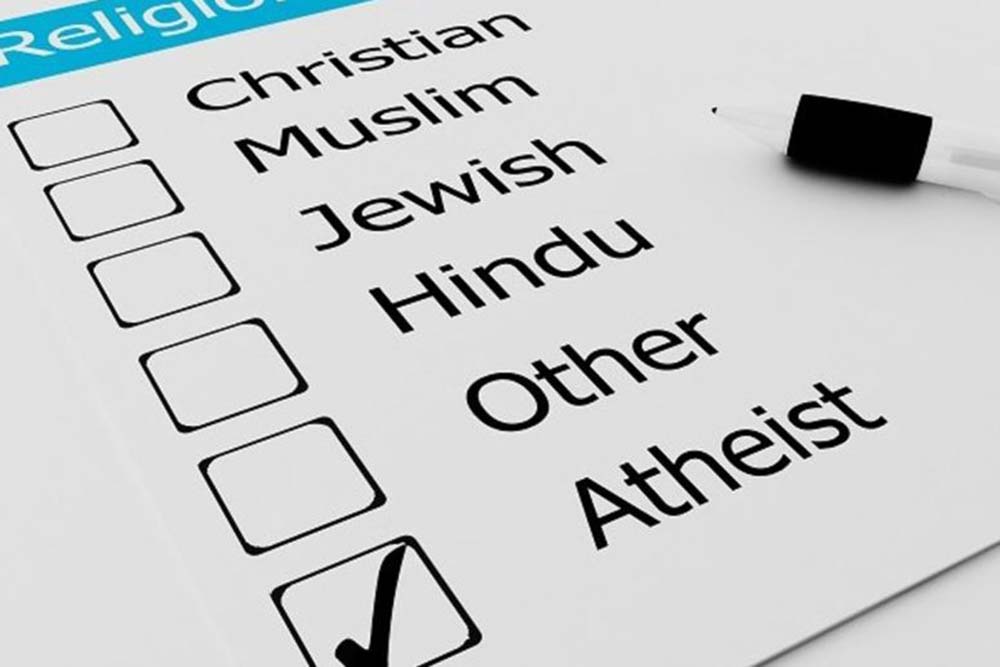
A Guide to an Atheist Funeral
Planning a funeral can be a deeply emotional and challenging task, particularly when it involves accommodating specific beliefs and preferences. For individuals who identify as atheists, traditional religious ceremonies may not resonate with their worldview. This guide aims to provide a thorough understanding of what an atheist funeral entails, including practical steps for planning one and various elements that can be incorporated to honor the individual’s beliefs and legacy.
Understanding Atheist Funerals
What is an Atheist Funeral?
An atheist funeral is a ceremony that reflects the secular beliefs of the deceased. Unlike traditional funerals, which often incorporate religious rituals such as prayers and hymns, an atheist funeral centers on celebrating the life, achievements, and values of the person who has passed away. The focus is on remembrance, personal reflection, and the impact the deceased had on those around them.
Key Differences Between Atheist Funerals and Religious Funerals
The primary distinction between atheist funerals and religious funerals lies in the absence of religious rites. Here are some key differences:
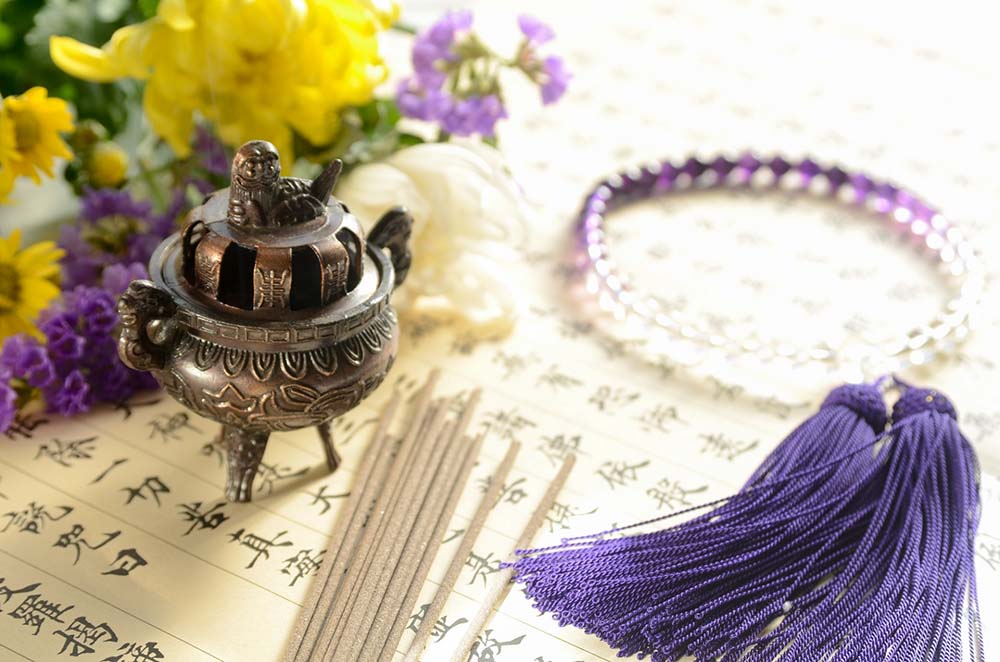
A Guide to Buddhist Funeral Customs and Traditions
Buddhist funeral customs are deeply rooted in tradition and rich in symbolism, reflecting the profound spiritual beliefs inherent to Buddhism. While these practices can vary significantly across cultures and regions, they consistently share common elements aimed at honoring the deceased and facilitating their journey toward rebirth. This guide delves into the essential aspects of Buddhist funeral practices, offering a comprehensive understanding of their significance, procedures, and regional variations.
The Significance of Buddhist Funerals
Buddhist funerals serve a dual purpose: to honor the deceased and to provide spiritual support for their transition to the next life. In Buddhism, life and death are perceived as interconnected stages in a continuous cycle known as Samsara, which encompasses the process of birth, death, and rebirth. Funerals are not merely ceremonies; they are vital rituals that assist the deceased in navigating this cycle, aiming to ensure a favorable rebirth.
The Role of Karma and Rebirth
Central to Buddhist belief is the concept of karma, which posits that one’s actions in this life directly influence their future existences. As such, funerals present an invaluable opportunity to generate positive karma, both for the deceased and for their loved ones. The collective prayers and actions during these ceremonies are believed to affect the deceased’s journey in the afterlife, emphasizing the interconnectedness of all beings.
A Guide to Orthodox Christian Funeral Customs and Traditions
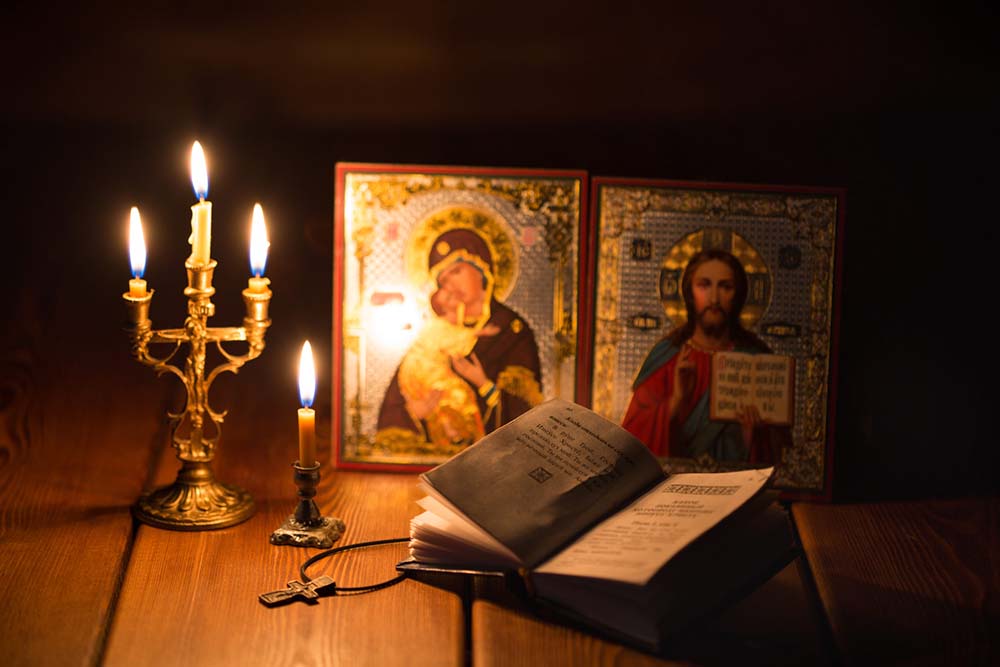
Orthodox Christian funeral customs and traditions are steeped in centuries of spiritual practice, deeply reflecting the faith’s core beliefs about life, death, and the afterlife. These customs serve not only to honor the deceased but also to provide comfort, solace, and hope to grieving families, reinforcing the close-knit bond within the community and its collective spiritual connection. The rituals and services conducted in an Orthodox funeral are not just expressions of mourning but are also acts of faith that highlight the Orthodox Church’s view of death as a passage rather than an end.
The Role of Faith in Orthodox Funerals
In Orthodox Christianity, death is regarded not as a final cessation but as a transition into eternal life. This belief in the afterlife profoundly shapes Orthodox funeral customs and traditions. The services and rituals performed are designed not only to honor the life of the deceased but also to pray for the salvation of their soul and offer spiritual support to the grieving family. The central themes of Orthodox funerals include the resurrection of Jesus Christ and the firm hope that the deceased will be granted eternal life. The entire process, from the wake to the memorial services, is imbued with prayers and rites that reflect the belief in the eventual reunion with the deceased in the afterlife, following the resurrection of all believers.
Key Elements of an Orthodox Christian Funeral
Orthodox Christian funerals are comprised of several key rituals, each of which serves a unique purpose in both commemorating the deceased and providing spiritual aid to the family. Here are the primary components:
Jehovah’s Witnesses’ Funeral Customs and Traditions
Jehovah’s Witnesses have unique customs and beliefs regarding funerals, which are deeply rooted in their religious values and traditions. For anyone involved in planning or attending a funeral within this faith, it’s essential to understand these practices in order to show respect and provide meaningful support. This guide offers a detailed overview of Jehovah’s Witnesses funeral customs, including their core beliefs, the significance of the memorial service, and important considerations for attendees and family members.
Understanding Jehovah’s Witnesses Beliefs about Death and Funerals
Jehovah’s Witnesses are distinct in their approach to death and funerals due to their belief system, which is centered on the hope of resurrection and eternal life. These religious convictions not only influence how they view death but also shape the customs and rituals they observe when a member of their faith passes away.
The Central Belief: Resurrection and Eternal Life
At the heart of Jehovah’s Witnesses’ faith is the belief in the resurrection. According to their teachings, those who have died will eventually be resurrected to live again on a paradise Earth under God’s Kingdom. This expectation fundamentally changes how they view funerals—death is not seen as a permanent end but rather a temporary state that precedes the hope of a future resurrection. Because of this, their funerals are generally solemn yet hopeful, reflecting their anticipation of eternal life.

A Guide to Mormon Funeral Traditions
Introduction to Mormon Funeral Traditions
Mormon funeral traditions are deeply rooted in the beliefs and practices of The Church of Jesus Christ of Latter-day Saints (LDS Church). These customs offer a distinctive perspective on life, death, and the afterlife, emphasizing spiritual continuity and the eternal nature of the soul. The LDS Church’s views on death influence every aspect of their funeral services, from the planning process to the final rites. This guide provides a comprehensive understanding of these customs, explaining each step, the religious context behind them, and how they help families and friends find solace during a time of mourning.
Key Beliefs Influencing Mormon Funerals
1. Eternal Life and Resurrection
At the core of Mormon theology is the belief in eternal life and the resurrection of the body. For Mormons, death marks a transition rather than an end, a passage from mortal life to an eternal existence. They believe that after death, all people will be resurrected, their spirits reunited with perfected bodies. This belief strongly impacts their approach to funerals, making these ceremonies less about finality and more about reflecting on the continuity of the soul and the eternal promise of the afterlife.
During funeral services, this doctrine is emphasized through hymns, scriptures, and eulogies, offering comfort to the bereaved with the promise that they will see their loved ones again in a glorified state.

What to Expect from a New Orleans Funeral Service
New Orleans is vibrant. New Orleaners love celebrations and parades. And a New Orleans funeral service also exudes a celebratory funeral rather than a somber one. Jazz funerals in New Orleans celebrate the beauty of the afterlife. The funeral begins at a church or funeral home and proceeds to a cemetery. Mourners are accompanied by a band that plays music that starts off with a melancholy feel that turns into an uplifting tone, radiating hope and conviviality.
With the same vibrant and enthusiastic nature of New Orleans funerals in mind, here is what you can expect while attending a New Orleans funeral.
History of New Orleans Jazz Funerals
Jazz funerals of New Orleans are rich in cultural traditions. In West African culture, mourners express their sorrow loudly and vocally. By the end of the service, they laugh and celebrate, rejoicing in the spirit’s ascent into heaven. This aspect of West African culture found its home in New Orleans’s Jazz funerals with the music exemplifying a soulful blend of African and European influences. While this method of memorializing loved ones is still well-known in New Orleans, it is mostly restricted to honoring the passing of prominent community members.

5 Compelling Reasons Why You Should Have a Living Funeral Service
Traditionally, funerals were considered events where family and friends would come together to mourn and lament the loss of a loved one. They were somber occasions in which everyone was present to pay tribute to a loved one with an air of melancholy. They were far from a celebration or festivity.
In a traditional funeral ceremony, attendees typically don’t have the chance to say their final thoughts and feelings toward the deceased, nor does the deceased get the chance to hear and appreciate all of the poignant sentiments their loved ones have to say about them. As people have begun to realize how many exhaustive elements go into planning a funeral service and how it ends up being more for the living rather than the deceased, we are seeing new perspectives around what a funeral service should be or needs to be. As more and more people begin to embrace the concept of death as an inevitable part of life and the beginning of a new chapter, we are seeing a rise in the number of living funerals being hosted and celebrated.
Thankfully, there are many reasons to have a living funeral and ditch the conventional customs and traditions, if desired, and get to have one big final celebration with those we love before it is time to say goodbye. Hosting a living funeral empowers the honoree to celebrate their final chapter on their own terms. Here are 5 reasons to consider having a living funeral service to honor a loved one before their passing and celebrate their life and legacy however they wish.