
Resources
The loss of a loved one is one of the most difficult situations to face in life. This can be especially trying if you are in charge of making the funeral arrangements. Our family here at FuneralHomes.com would like to share with your family some points from experienced funeral directors that will help you in such a troubling time.

How Soon Should You Start Dating After the Loss of a Significant Other?
The passing of a significant other is one of the most devastating losses one can experience. It may signify the loss of a lifelong partner, best friend, lover, caregiver, and right-hand, all at once. Unfortunately, such a loss is not something one can ever be prepared for, and the wound a significant other’s departure leaves behind may take years to heal.
Understand that as we are all different, no two people’s grieving journeys will look alike either. We all cope with grief in different ways and take differing periods of time before we feel ready to move on and forward with our lives. Whether or not someone is ready to start dating after the loss of a significant other or spouse will depend entirely on the personal needs and circumstances of that individual.
Is It Too Soon or Am I Taking Too Long to Start Dating Again?
There is no right or wrong answer when it comes to the question of when it is an appropriate time to start dating again after the loss of a loved one. No matter the influence other people in your life may have on you or their opinions or judgments, only you alone can understand the gravity of your situation, your feelings, and emotions, and if you feel you are truly ready or not to begin dating again.

A Guide to Suing an Employer After a Work Injury or Death
Every year millions of people suffer injury or illness on the job. In 2019, an estimated 2.8 million non-fatal and 5,333 fatal workplace injuries occurred.
Accidents happen. Falls, burns, breaks, and even more extensive injuries can take place on the job site. No matter what happens or how it happens, your employer’s Workers’ Compensation Insurance should be able to cover you.
However, there are other times in which you or a loved one sustained a grievous injury at a worksite in which you may wonder if you can bring an action against the employer. You may be questioning what types of situations would qualify for you to potentially sue an employer. We put together this guide to help you explore your options regarding a work injury or death.

7 Tips For Cleaning Out a Loved One’s House After Their Death
The passing of a loved one is already a very emotionally challenging time. Now, add on end-of-life logistics of cleaning up their house and other decisions that can get added to your plate, and it can all seem even more overwhelming.
Handling an estate cleanout can be a demanding task, but you don’t have to do it alone. We’ve laid out 7 helpful tips for cleaning out your loved one’s home after their passing to help make the process a little less stressful and more manageable.
Navigating The Cleanup Process
It’s important to know that taking on the task of cleaning out a loved one’s estate can be an emotional task. So be mindful of how you are feeling. If it feels like it’s too much to take on, ask for help from family, friends, or professionals.

How to Help Your Terminal Sibling Cope
Helping a sibling cope with a terminal prognosis is one of the most emotionally painful experiences. It can be difficult, confusing, and overwhelming for all parties involved to maintain a positive mindset during such an emotionally challenging time. You may also be wondering what you can do to help your loved one cope with their situation.
Understand that it is entirely acceptable to be in a state of shock when you first receive the news of your sibling’s terminal prognosis. While you may already be grieving for the eventual loss of your sibling, know that it is important for you to try to stay strong so you can be there to offer them your love and support. Ultimately, the most important things you can offer your loved one are your love and compassion and simply being there for them during this difficult time.
Coping with a sibling’s terminal prognosis is an extremely difficult situation, and nothing can truly prepare us for it. We understand that no amount of advice or recommendations will be able to give your loved one their health back. However, we hope that this list of coping strategies offers you and your loved one some comfort during this incredibly challenging time.

5 Steps to Take Before Suing a Relative Over an Estate Dispute
Unfortunately, after a parent dies, sibling disputes can sometimes erupt when it’s time to divide up the estate’s assets. Arguments can also occur between other family members who might feel entitled to the deceased’s assets. If these conflicts aren’t resolved quickly, they can result in drawn-out and expensive legal actions.
Therefore, there are some important things you should consider before suing a family member over estate disputes that may help you avoid taking the matter unnecessarily into legal action. We have put together a basic guide to help you navigate this complicated time and to help you decide on what would be best for you and your family.
What Exactly is An Estate?
According to Wikipedia, an estate is defined as “the sum of a person’s assets – legal rights, interests and entitlements to property of any kind – less all liabilities at that time.”
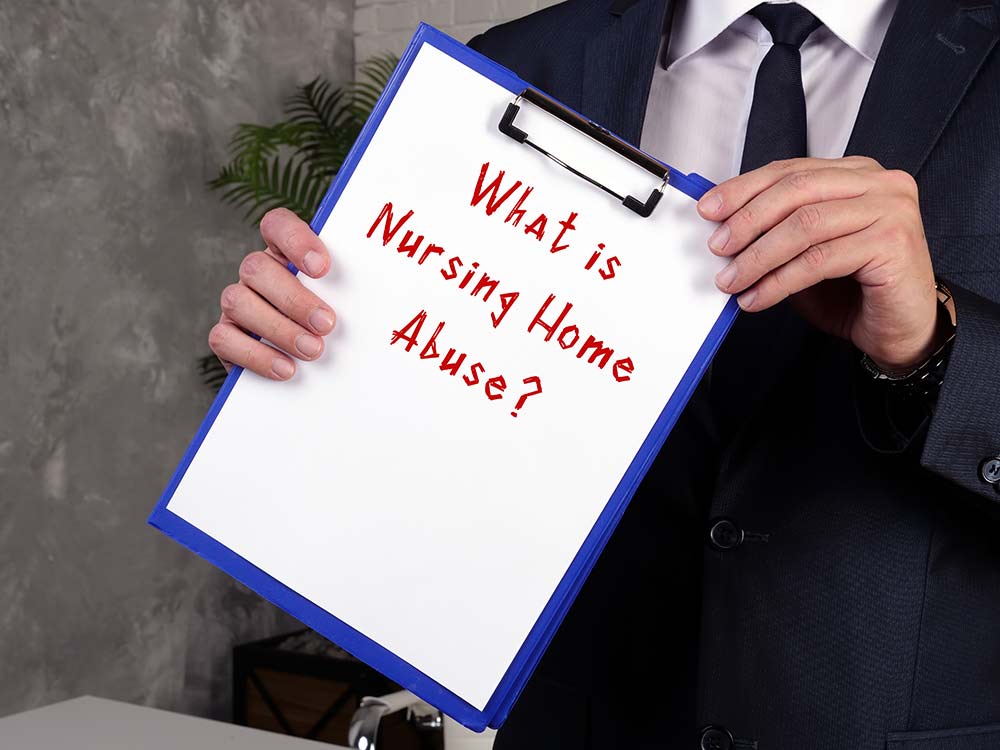
Nursing Home Abuse: What You Need to Know
It’s an unfortunate fact, but nursing abuse happens and causes senior Americans devastating harm and suffering every year. According to the Government Accountability office, there are a staggeringly high amount of nursing home abuse cases throughout the U.S. Choosing to place your loved one in a nursing home is an emotionally difficult and challenging decision, and you expect that your loved one will be provided with the proper care and treatment he or she deserves. However, this is not always the case, and your loved one could become a victim of nursing home abuse due to a variety of factors.
If your loved one was the victim of nursing home abuse, you and your loved one may be eligible to receive compensation for the damages and suffering your loved one was subject to. You may be wondering where you stand in the situation, and not sure exactly who should be sued for the damages your loved one endured.
In this article we will cover what nursing home neglect is, the different forms it can show up as, why it can happen, as well as how to navigate bringing an action against the right individuals or people to help you gain the compensation you or your loved one may deserve.

What’s the Difference Between a Wake, Viewing, and Funeral?
When a friend, colleague, or family member passes away, it is only natural that you would want to express your condolences and pay your respects. There are different kinds of formal gatherings or ceremonies that are held to honor the deceased. Besides a funeral service, some families choose to hold a wake or viewing as well.
To pay tribute to the deceased, you may feel that you should attend at least one of these services, but not sure which of them you should necessarily attend. You may also be wondering what you should expect at each of these kinds of ceremonies, and what they each entail.
We will break down the differences between a wake, viewing and a funeral to help you prepare for each of these ceremonies, offer insight into the role each plays in honoring the deceased, as well as help you decide which of them you should attend.

What is a Wrongful Death Lawsuit and Do I Qualify for One?
Coping with the loss of a loved one is always difficult. When the loss occurred as a result of negligence or a wrongful act by someone else, the pain can be that much more devastating as well as lead to grievous losses incurred by the surviving family members. If your loved one was the victim of a harmful act on behalf of the negligence of someone else that led to his or her death, you may be entitled to compensation for the damages.
In this article we will discuss what a wrongful death lawsuit is and entails to help you determine if you and your deceased loved one qualify for a wrongful death lawsuit.
What is a Wrongful Death Lawsuit?
A wrongful death lawsuit is a lawsuit that is brought on the behalf of an individual who died as a result of the wrongful act of another. The lawsuit is brought to action as a means of recovery to gain compensation for the decedent’s surviving loved ones who incurred damages and losses due to his or her death. The kinds of circumstances that may lead to the wrongful death of another in wrongful death claims are cases that involve medical malpractice, product liability cases or even car accidents.

When Is the Best Time to Hold a Funeral Service?
When a loved one passes away, one of the most common questions that comes up is when is the best time to hold funeral services for them. The answer will of course depend on a variety of different factors depending on the family’s religious affiliations, the wishes of the decedent, the availability of your funeral director as well as other family circumstances.
According to sources, the average duration of time between death and funeral is from under 10 days to over three weeks. However, funeral services can even take place as quickly as the same day of death or next day. It is important that you and your family choose the best time to arrange a funeral service for your loved one that best aligns with you and your family’s needs to enable you to create a meaningful memorialization experience that honors the memory and life of your loved one. We understand this is a sensitive topic so we wanted to address this question to help families navigate this delicate and difficult time.
Religious Considerations
Certain religions abide by specific guidelines in regards to holding funeral services for their deceased loved ones. For instance in the Jewish religion, it is believed that the deceased should be buried within 1 day of their death. Muslims also believe that burial should be done quickly and for this reason, they do not embalm the deceased. If the family of the deceased observes a specific religion, they may take that into consideration when planning the funeral service to be in accordance with their beliefs surrounding death, burial, funerals and memorialization services.

What You Should Know Before Choosing Personal Injury Lawyers
If you have been the victim of an accident or other personal injury due to no fault of your own, you may be seeking a personal injury lawyer to fight on your behalf to help you get compensation you may deserve. You probably have seen commercials on tv of personal injury lawyers advertising their services and have an impression of what they do and how they work on behalf of their clients. However, personal injury lawyers are not created equal and while personal injury is a particular field of law, within that field there is a wide scope of specialties they may focus on and practice.
We have put together a guide exploring the things you should know and take into consideration when choosing a personal injury lawyer to help you make an informed decision to find the best one for your needs.
First, What is a Personal Injury Lawyer?
A personal injury lawyer is a type of attorney that works on behalf of individuals who have suffered from an injury or an illness due to an accident or at the hands of negligence and are now seeking compensation for their injuries.