
Resources
The loss of a loved one is one of the most difficult situations to face in life. This can be especially trying if you are in charge of making the funeral arrangements. Our family here at FuneralHomes.com would like to share with your family some points from experienced funeral directors that will help you in such a troubling time.
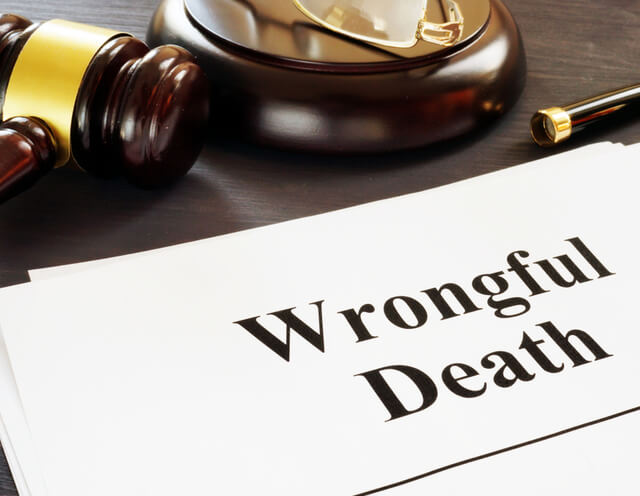
Recognizing the Top-5 Most Common Wrongful Death Scenarios
The untimely death of a loved one is among the most devastating events that an individual or a family can endure. Often, the pain caused by the unexpected (and in some cases, preventable) death of an individual is exacerbated by the resentment that can build amongst family members, relatives, and close friends when they feel that the actions of another individual or entity are to blame, which has yet to be held accountable. The phrase wrongful death refers to a set of circumstances when the negligent actions of an individual or an entity are responsible for the untimely death of another individual (the victim) which may have otherwise been avoidable.
The number of circumstances and scenarios which can be classified as wrongful death are innumerable; however, virtually every case involves some degree of negligence on the part of the surviving participant(s) to the event. Jason Melton is a leading wrongful death litigation attorney, victim’s right’s advocate and Managing Partner at Whittel & Melton, LLC, a Florida-based law firm specializing in wrongful death litigation. His Firm has been recognized by its peers for being among the preeminent Plaintiff’s Right’s law firms in country due to its extensive track record and continued involvement in marquis tort litigation that sets legal precedent and impacts case law for years to come.
We sat down with Jason to discuss how the average person can learn to identify the top-5 most common wrongful death scenarios. Jason starts “The determining factor in identifying wrongful death is the degree of negligence or harm that was inflicted by an individual or company [defendant] upon the decedent [complainant] or its surviving family due to the oversight, disregard or careless action of those involved in the situation of death or those entrusted with his/her care, employment, or safe travel. If a family member or loved one has passed away under circumstances like those mentioned, you may want to explore wrongful death representation by a reputable law firm.” Jason continues, “Often, identifying wrongful death can be a difficult task and one that is made more painful due to the degree of diligence that is required to examine the context in which a loved one passed away.” Scenarios of wrongful death can include:

Why is Creating an Obituary Important for Your Loved One?
When a loved one passes away, arranging funeral and memorial services is a common way to celebrate and honor their life. However, beyond these services, keeping their memory alive can be challenging. Obituaries play a crucial role in preserving and sharing the legacy of the deceased. This article explores the importance of obituaries and why you should consider creating one for your loved one.
What Is an Obituary?
An obituary is a brief record of a person’s life, typically consisting of a few paragraphs. It includes essential details such as the person’s birthplace, parentage, surviving family members, significant achievements, and contributions to society. Traditionally, obituaries were published in newspapers, but today, digital obituaries on platforms like FuneralHomes.com.com have become increasingly popular as lasting tributes.
Why Were Obituaries Important in the Past and Why Are They Still Relevant Today?
Honoring Community Members
Historically, obituaries served as important news items, informing communities of a member’s passing. They were a way for friends, neighbors, and colleagues to pay respects and remember the deceased’s role within their community. Obituaries allowed people to acknowledge and honor those who had made significant contributions to their social circles and local networks.
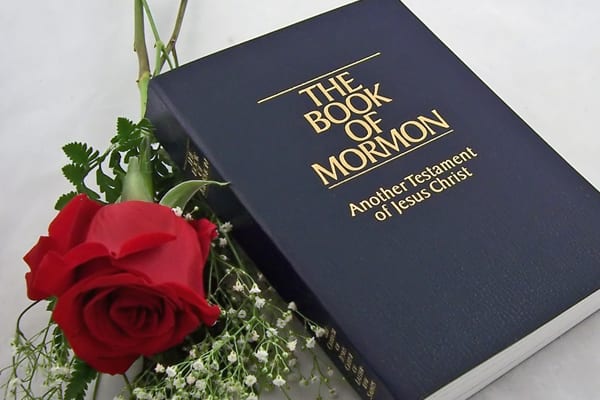
Mormon Funeral Service Traditions and Etiquette
Funeral services, no matter what religion or faith they observe may abide by certain traditions and customs to enhance their spiritual meaning and sentiment in tribute of the person who passed. It is important to understand what these customs and traditions are so you best know how to pay your respects.
If you are attending a Mormon funeral in the near future, you may be wondering what the typical traditions and etiquette a Mormon funeral service observes. We have put together a guide here to help you understand the religious traditions of a Mormon funeral so you are prepared and know what to expect.
Mormons’ Spiritual Beliefs on Death
In the Mormon religion, also known as the Church of Jesus Christ Latter Day Saints, it is believed that death represents the soul’s separation from the body. Mormons believe that after passing, a person will be judged based on the goodness of their spirit. Souls that are deemed good will be granted respite in paradise, while those not deemed worthy will go to a place called spirit prison. As such, honoring traditional customs after a Mornom has passed is important to celebrate the person’s life and to pay homage to their soul as it makes its way to its afterlife.

How to Comfort Someone Who is Grieving the Loss of a Loved One
Losing a loved one is an incredibly challenging experience filled with intense sadness and a range of overwhelming emotions, including anger, guilt, anxiety, and depression. If you’re unsure how to offer comfort and support, it can be difficult to navigate this sensitive situation. Remember, your presence and compassion can make a significant difference. Here’s how you can effectively support someone who is grieving.
What Is the Best Way to Understand Their Grieving Process?
Grief is a deeply personal experience, and there is no single “correct” way to grieve. Some people might express their grief through tears, while others may become reclusive or engage in various activities to distract themselves. It’s essential to recognize that each person’s grieving process is unique. Reassure your loved one that their feelings are valid and avoid judging their emotional responses.
Grieving doesn’t adhere to a specific timeline. Some may grieve for months or even years, while others might move through their pain more quickly. Be patient and understanding of their individual journey without pressuring them to “move on” before they’re ready.

5 Special Ways to Keep Your Loved One’s Memory Alive
Losing someone special can be overwhelming, and the thought of them being gone forever can be incredibly painful. Although they may no longer be physically with us, there are many meaningful ways to keep their memory alive. Here are five special ways to celebrate and remember your loved one.
How Can You Start New Traditions to Honor Your Loved One?
Reflect on the cherished moments you shared with your loved one—whether it was bonding over favorite meals, enjoying films together, or sharing common interests. Even though they are no longer with you, you can continue these traditions in their honor. Consider starting new rituals, such as:
- Annual Trips or Gatherings: Visit a place you both loved or host a family gathering to raise a toast to their memory.
- Honoring Passions: If they had a particular passion, you might take a class or participate in an activity related to that interest.
- Memorial Days: Devote a day each year to their memory by lighting a candle and preparing their favorite foods.
For more ideas on celebrating a loved one’s life, check out our guide on creating lasting memories.

A Guide to Finding the Funeral Home That is Right for You
While the passing of a loved one is one of the most emotionally difficult things you can deal with, choosing the right funeral home to celebrate and honor their legacy will help bring peace and closure. And while you are grieving, it can be challenging to navigate the process of finding a funeral home to prepare end-of-life arrangements for your loved one. Whether you are mourning the death of a loved one right now, or pre-planning, we have created a handy guide below, offering tips and advice to help you find a local funeral home that will be right for you.
What Should You Look for in a Funeral Home?
1) Convenient Location
It is important that the location of the funeral home is close enough for you and your family to comfortably commute to, as you will be making several visits there. You may also want to consider the location that your loved one would have preferred to have their service performed at and factor that into the decision. If you will be arranging a burial service after the funeral proceedings, you should also consider the funeral home’s proximity to the cemetery or burial site and find out if the funeral home will offer transportation services for you and your family, as well.
2) Clear and Transparent Pricing
This is an emotionally trying time, and the last thing you want is to feel guilted into purchasing a package of unnecessary things that can potentially hike up the price of the service. The funeral home you choose should be upfront, honest and transparent in their pricing, as well as abide by the Federal Trade Commission’s Funeral Rule (you can find out more about your rights according to the stipulations of the law, at the link here) It is a delicate balance, finding a funeral home that will work within with your budget, while paying tribute to your loved one in a meaningful way.

15 Condolence Messages for Friends
When a friend loses a loved one, it can be challenging to find the right words or actions to offer comfort. Although you can’t erase their pain, your presence and support can mean a great deal. The goal is to show your friend that you care deeply and are there for them in any way you can.
What Can You Do for a Close Friend Who’s Grieving?
If you’re very close to the grieving person, there are several ways you can provide support:
- Bring Food or Offer Practical Help: Bringing meals or helping with household tasks can ease their burden.
- Send a Thoughtful Gift: Flowers or chocolates can provide a small comfort.
- Be a Shoulder to Cry On: Sometimes, just being present can be a great source of solace.
It’s also important to respect their needs. They might prefer solitude, so asking them directly, “What do you need right now?” or “How can I support you through this?” can be very helpful.

A Guide on How to Hire a Wrongful Death Attorney
The passing of a loved one is devastating in and of itself. However, when negligence was involved in the cause of the death, the situation becomes even more painful. Under the circumstances of wrongful death, the family of the deceased not only suffers emotionally, but also must cope with fiscal and financial hardships too, possibly debt, medical bills, missed wages – and the situation worsens if the decedent was the main wage earner of the family.
Wrongful death refers to a death that is caused by the recklessness or carelessness of another. If your loved one passed under these circumstances, then you may be able to file a wrongful death lawsuit on his or her behalf.
We have put together a guide on how to hire a wrongful death attorney to help you navigate this emotionally difficult and trying time.
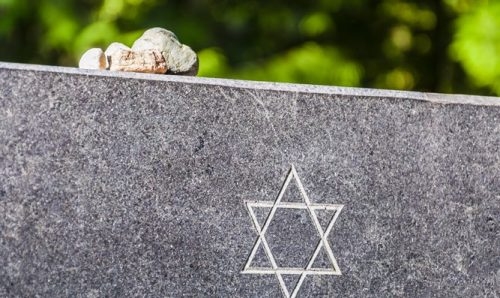
Jewish Funeral Service Traditions and Etiquette
Jewish funeral traditions are deeply rooted in history and carry significant meaning within the Jewish community. These customs not only pay tribute to the deceased but also offer solace to the bereaved. If you are planning a Jewish funeral or seeking to understand the process more thoroughly, this detailed guide will walk you through the essential elements of Jewish funeral service traditions and etiquette.
Key Aspects of Jewish Funeral Traditions
Jewish funeral practices are guided by religious laws and customs that reflect profound respect for both life and the afterlife. Below is a detailed overview of what you can expect during a Jewish funeral.
The Timing of the Funeral
In Jewish tradition, it is customary to bury the deceased as soon as possible, typically within 24 hours. This promptness underscores the mitzvah (commandment) to honor the dead and return the body to the earth swiftly. Delays may occur due to logistical reasons or the arrival of family members from distant locations, but the priority remains on a timely burial.
Catholic Funeral Service Traditions and Etiquette
When you are attending the funeral of a loved one or a friend whose family will be observing the traditions of a particular religion, it is important to understand and be aware of that religion’s traditions and etiquette. In this article, we will be exploring Catholic funeral traditions in depth so you know what to expect and how to follow proper etiquette to best be able to pay your respects to the decedent and their loved ones.
What function does the Catholic funeral service serve?
In the Catholic religion, when someone of the Catholic faith passes away, a Catholic funeral service is held for them. Beyond commemorating and celebrating the life of the deceased person and the meaning they possessed to their loved ones, the funeral service performs an important function. As it is believed in the Catholic faith that the deceased will be given access to Heaven if they are granted forgiveness by God, the funeral service serves as a chance for the decedent’s loved ones to appeal to God to receive his mercy. As such, you will hear various prayers being spoken at a Catholic funeral service, as well as discussion of the deceased now being at home with God that will offer comfort to loved ones in mourning.
Catholic Vigil (Wake)
In the Catholic religion, the family of the deceased traditionally hold a Catholic vigil or wake which takes palce after the passing of their loved one, but prior to the funeral mass and burial, typically held the day or evening before the funeral service. The vigil service may be performed at a Catholic church, the funeral home, or the home of the decedent. An important time to the loved ones of the deceased, the vigil allows family and friends to gather in prayer to offer their condolences to the decedent, and to support the grieving family. There may be readings and reflections to observe the Catholic scripture. Eulogies, singing and even poetry may also be performed during this ceremony.