
Resources
Planning

How to Find a Deceased Person’s Will (Where to Look First)
To find a deceased person’s will, start with the people and places closest to them: family members, their home or safe deposit box, and the attorney who may have drafted it. If none of those turn it up, search the probate court in the county where they lived, because a will becomes public record once it is filed there.
Some people leave a will with a relative, others keep it at home, and some write one with an online service and never print a copy. Whatever your situation, the options below are listed in the order most families try them. If you are also working through the rest of the to-do list, our checklist of steps to take after a loved one dies covers what comes next.
Where to Look for a Will, in Order
Ask family, the executor, and close friends
People often leave their will with someone they trust: a spouse, an adult child, a sibling, or a close friend. Ask the relatives who were closest to the person, and ask whether anyone was named as executor. The executor is the person the will names to carry out its instructions, and they usually hold the original or know where it is.

What to Do With a Widow’s Wedding Ring
Once the spouse dies, the question for a lot of widows is what they can actually do with the wedding ring. Needless to say, this is a very challenging time, and one that can be quite demanding for any family. That’s why having the appropriate plans in mind for something like this can make a huge difference. And that’s why we created a list with various ideas and plans you can use when it comes to the wedding ring of a widow.
Wearing It
One of the most common things to do with a wedding ring after a funeral is to wear it. Some wear it for a while, others wear it for their entire life. There are many reasons why this can be common. Maybe it makes them feel safe. Or they want to cherish the presence of their loved one even after they have died. This is not mandatory, yet a lot of people choose to do it because they feel it’s the rightful approach and the best thing to do. Whether it is a great idea or not, it’s a personal decision. But needless to say, a lot of people choose to do it.
Moving it to the Right Hand
Those that are widowed can sometimes move the wedding ring to the right hand. That won’t happen all the time, but some do that and it’s because they want to commemorate their loved one in a way that’s unique and different. It’s stuff like that which makes a huge difference and the benefits are great. You still feel a connection to the loved one, and you still get to enjoy the ring.

Funeral Attire Questions and Answers
What to Wear to a funeral?
A funeral is one situation where you have to follow an attire code. Generally, you want to wear black clothes or darker clothes in general. This is a sign of respect and appreciation, but you also show that you are mourning the person. This is why you always want to wear darker colored and darker tones in general. It’s the ideal thing, and you don’t want to step away from that too much.
The same thing can be said with the style of clothing. You want it to be respectful, so short skirts aren’t really ok here. Going with a more respectful attire is crucial here, and it’s certainly one thing to consider as much as possible. That’s undoubtedly a thing to take into consideration.
How do you look stylish at a funeral?
Even if the funeral attire is usually very specific and it has little room to work with, you can still look stylish at a funeral. Ideally, you want to go with darker tones while still exuding class. We recommend avoiding anything that’s revealing. Instead, you want to wear high-quality clothing that looks great and conveys a good look. You can also experiment but keep it classy and with darker tones. The idea is not to stand out but still look great, which is exactly why a trial and error approach never hurts.

Planning a Funeral: Most Common Questions and Answers
Planning a funeral can be time-consuming and it has its fair share of challenges, but it’s also one of those things we need to do in order to appreciate our loved ones that just passed away. With that in mind, it can be hard to plan a funeral without knowing where and how to get started. Here are some of the most common questions and answers related to planning a funeral.
When should you start planning your funeral?
Ideally, you want to prepare your estate and a funeral early on in your life. Stats are showing that preparing your funeral during your 30s can be a very good idea, although you can easily do it later on in your life. It’s also recommended to get life insurance when you are 35 or older, as it might be helpful. Of course, there’s no right or wrong answer when it comes to funeral planning. Just get started whenever you feel it’s the right time for that.
Is pre-planning a funeral a good idea?
The idea of pre-planning a funeral might not be such a bad thing after all. You always want to be prepared for any possible issues that can arise. That’s why being prepared can really help and it’s one of those things that will make a huge difference. You are not a burden on your family, instead you prepare everything and they will follow the guidelines you left. It’s the ideal thing to do and it will actually help more than you might expect.

How to Buy a Cemetery Plot: A Step-by-Step Guide
To buy a cemetery plot, decide on burial or cremation, choose a cemetery and location, get the full price in writing, and sign a purchase agreement. Plots typically cost about $1,000 to $4,500, according to CNBC Select, though the price depends on location, plot type, and what the price includes.
It is an important decision, so take your time. The right plot does not have to be the largest one you can find. Smaller plots are perfectly acceptable and often offer good value. The six steps below follow the order most families work through.
How to Buy a Cemetery Plot
Decide on the type of burial
Start by choosing between a casketed burial and cremation, since that limits which plots you can buy. Then decide how you want the person to be laid to rest. Common options include:

How to Donate a Body to Science After Death
If you wish to donate your body to science, now it is possible after you have passed away. However, first consult the anatomical institute of one of the universities or hospitals to consider the procedures, as this is different from organ or tissue donor registration. However, if you are already a registered organ or tissue donor, it plays a significant role in body donation.
You need to request permission from an anatomical institution for body donation to science and medical research. They need a handwritten statement saying that you desire your body to be given to medical science after your death. For the institute record, you must also sign and date the declaration.
Acceptance criteria for Body Donation
Many individuals, such as those with cancer, heart disease, arthritis, diabetes, and other chronic conditions, fulfil the requirement for donation. The final acceptance criteria depend on conditions like HIV/AIDS, Hepatitis B or C, COVID-19 (symptoms, exposure, or diagnosis), unusually high or low body mass index (BMI), permission challenges, location of residence or passing, legal matters, condition of the body at the time of passing, or any failure to place the donation with current medical research or educational projects at the time of passing.
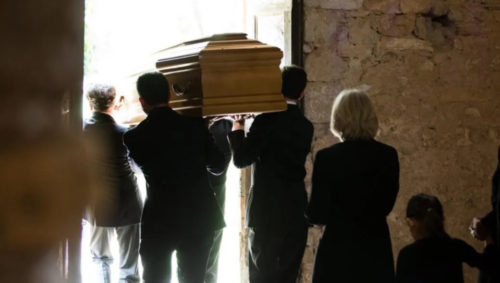
A Guide to Funeral Processions
Funeral processions are very important and a crucial part of the funeral service. They are designed to bring comfort to the friends and family of a person that just passed away. Knowing the funeral procession etiquette and understanding religious funeral customs is very important and it can make a huge difference. You have to ensure that you understand how these things work and how you can follow the right guidelines and be certain that everything is done to the letter.
Understanding what a funeral procession is
The funeral procession is the family and friends of a person that passed away following their coffin as they are taken to their resting place. It’s also known as a funeral cortege. This procession starts at the funeral home, or at the home of the person, and it follows the coffin to the burial place. Sometimes the funeral procession goes to the funeral service location or the committal, it depends on the situation at hand.
What you will notice is that most of the time you will have a funeral director. He is the one that leads the cortege on foot for a small distance, at least before it gets into the hearse. With that in mind, once they reach the crematorium, cemetery, or the place of worship, they will lead the cortege on foot again, which is extremely important.
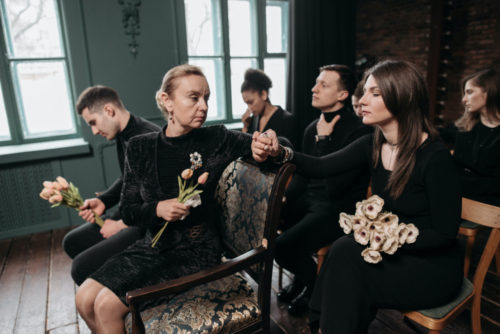
Guide to Attending a Funeral During a Family Feud
Family conflicts happen, and they can end up diminishing the relationships that people have with one another. However, when you are in the middle of a family conflict and one of the family members dies, that ends up becoming a huge challenge. It’s certainly not something easy to do, and you have to ensure you adapt and implement everything properly. That doesn’t mean it will be easy to do, but in the end what matters is keeping your family together and dealing with any family feuds the best way that you can.
In fact, it’s a good idea to ensure that you and the ones you have a feud with put it aside and focus on making the funeral a celebration of life, rather than a place to air your grievances. On top of that, you want to ensure that you study religious funeral customs and see exactly what you need to follow and stick to those guidelines. You may even find a lot of customs that you never knew existed, which is quite common in a situation like this. Adapting and implementing accordingly is always going to be a bit of a challenge, but that’s what makes things work in the end.
Compromise is key
Having a way to compromise is crucial here since it shows that nothing is more important than the funeral. A good idea is to try and squash any of the beef on the phone or a video call before you meet at the funeral. Doing that is crucial, because no one wants to see people fighting during a funeral. It’s not appropriate and it’s also a sign of disrespect for the person that passed away.

Legal Pronouncement of Death: What It Is and Who Can Declare It
A legal pronouncement of death is the official declaration, made by an authorized person such as a physician, that someone has died. It comes first, and the death certificate is filed afterward as the legal record. Who is authorized to make it depends on the state and the circumstances.
When someone you love dies, it can be hard to find the strength to work out what to do next. Our checklist of steps to take after a loved one dies lists the tasks in order. This article explains what a pronouncement of death is, who can make one, and how to get one.
What Is Legal Death?
Legal death is the point at which the law recognizes a person as dead. Under the Uniform Determination of Death Act, which most states have adopted in some form, a person is dead when breathing and circulation have stopped permanently, or when all functions of the brain have stopped permanently. The details vary by state.

How to Talk to Your Parents About Estate Planning
If there is one thing certain about life, it is that it ends, and many times unexpectedly. Anticipating the death of parents, those who raised you and prepared you for this life can be very emotionally challenging. It is difficult to confront the fact that one day your parents’ time will come. For this reason, it is common for both parents and their children to avoid discussing estate planning. But discussing estate planning is important to ensure that the estate will be managed appropriately and the right heirs will have rights to the estate after one’s parents are gone. This topic’s conversation isn’t an easy one by any means, but one of great importance.
Many people fail to have this conversation with their loved ones for various reasons due to lack of knowledge, avoidance, or worrying about family members’ reactions. But the cost of avoiding it can be monumental and negatively affect the family. The children may have unending feuds amongst themselves especially if they do not know what their parents’ wishes were. After all, It is quite likely that the children, after their parents’ deaths, will make decisions from those their parents would have made.
Therefore, it is vital to have “the talk” with your parents as adults before they are gone. Here are a few tips on how to approach this topic.